
How gambling can affect your mental health and well-being
The Psychological Impact of Gambling
The psychological effects of gambling can be profound and multifaceted. Many individuals initially perceive gambling as an enjoyable pastime, often equating it with excitement and social interaction. However, as they continue to gamble, they may begin to experience stress, anxiety, and depression. These feelings can stem from financial losses, the pressure to recover lost money, or strained relationships with family and friends due to gambling habits. In extreme cases, these psychological burdens can lead to gambling addiction, where individuals feel compelled to gamble despite negative consequences. For those looking to explore safer gaming options, https://paripulse-uz.com/ offers a responsible gambling environment.

Moreover, the thrill associated with winning can create a cycle of emotional highs and lows that is difficult to escape. This phenomenon is often referred to as the “gambler’s fallacy,” where individuals believe that they can predict outcomes based on past results. This misconception can heighten stress levels when losses occur, further complicating mental health. The emotional turmoil experienced may lead to isolation, as gamblers withdraw from social circles in an attempt to conceal their habits, exacerbating feelings of loneliness and despair.
Furthermore, the stigma surrounding gambling can prevent individuals from seeking help. Many people feel ashamed or embarrassed about their gambling behavior, which may lead to a reluctance to talk about their issues with professionals or loved ones. This isolation can deepen mental health struggles, making recovery even more challenging. Recognizing the psychological impact of gambling is crucial for individuals seeking to reclaim their mental well-being and manage their gambling habits responsibly.
The Connection Between Gambling and Anxiety Disorders
Anxiety disorders are prevalent among individuals who gamble, often manifesting as a direct consequence of their gambling experiences. The uncertainty associated with gambling outcomes can trigger intense feelings of anxiety, particularly for those who struggle with impulse control. Gamblers may constantly worry about their financial status, which can lead to a cycle of heightened anxiety and increased gambling as a means of coping with stress. This behavioral pattern can create a harmful feedback loop, where anxiety drives gambling, and gambling exacerbates anxiety.
Additionally, those with pre-existing anxiety disorders may find themselves more susceptible to developing problematic gambling behaviors. For example, individuals with generalized anxiety disorder may use gambling as a way to escape their worries temporarily. Unfortunately, this temporary relief can evolve into a dependency, leading to even greater anxiety when they experience losses or confront the consequences of their actions. Understanding this connection can help mental health professionals develop more effective treatment strategies for individuals struggling with both anxiety and gambling behaviors.
Moreover, addressing anxiety related to gambling requires a multi-faceted approach. Cognitive-behavioral therapy (CBT) can be beneficial in helping individuals identify and change harmful thought patterns linked to gambling. By confronting the underlying issues driving both anxiety and gambling, individuals can learn healthier coping mechanisms and regain control over their mental health. Education about responsible gambling practices can also empower individuals to make informed choices, ultimately reducing anxiety and enhancing their overall well-being.
The Role of Depression in Gambling Behavior
Depression is another mental health condition that can be deeply intertwined with gambling behaviors. Individuals experiencing depression often seek out activities that provide an escape from their negative feelings, and gambling may seem like a viable option. The initial euphoria of winning can provide a temporary boost, but this is often short-lived, leading to feelings of guilt and regret. Over time, this cycle can worsen both depression and gambling habits, creating a vicious cycle that is difficult to break.
Furthermore, the financial consequences of gambling can lead to further depressive symptoms. Individuals may face mounting debts, job loss, or fractured relationships, all of which can contribute to a sense of hopelessness. It’s essential to recognize that gambling is not a solution for depression; rather, it can serve as a catalyst for deeper emotional struggles. Support systems, including friends, family, and mental health professionals, play a crucial role in helping individuals navigate these challenges.
To combat the intersection of depression and gambling, targeted therapies can be particularly effective. Engaging in holistic approaches, such as exercise, mindfulness, or group therapy, can provide individuals with healthier outlets for their emotions. Developing a robust support network can also be instrumental, allowing individuals to share their experiences and gain insights from others who have faced similar challenges. Ultimately, breaking the cycle between depression and gambling requires a concerted effort towards self-awareness and seeking appropriate help.
The Importance of Responsible Gambling
Responsible gambling is critical in mitigating the negative mental health effects associated with gambling. It involves being aware of one’s limits, recognizing the signs of gambling addiction, and implementing strategies to gamble safely. Individuals can protect their mental well-being by setting strict budgets and limiting the time spent gambling. This proactive approach helps maintain control over one’s gambling habits, reducing the risk of developing severe psychological issues.
Furthermore, education about gambling risks is essential. Many individuals enter gambling environments without fully understanding the potential consequences. By raising awareness of the dangers associated with excessive gambling, individuals can make informed decisions that safeguard their mental health. Educational initiatives should focus on the signs of gambling addiction and provide resources for those who may be struggling.
In addition, responsible gambling initiatives can promote healthier behaviors within gaming environments. Casinos and online platforms can implement measures that encourage users to take breaks, set limits, and seek help if needed. By fostering an environment that prioritizes mental health, the gambling industry can contribute positively to the well-being of its patrons. Encouraging responsible gaming practices can significantly reduce the adverse psychological effects that often accompany gambling behaviors.
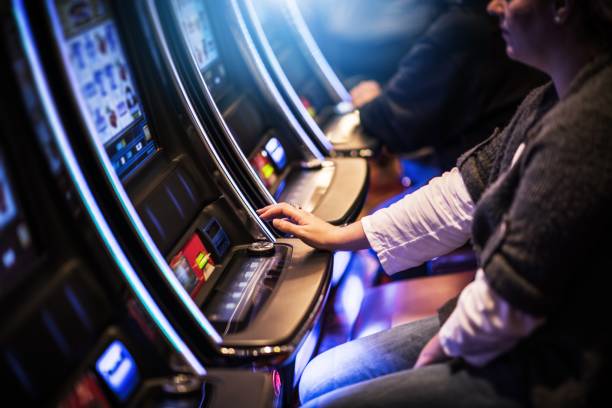
PariPulse: A Safe Gambling Experience
PariPulse is committed to providing a safe and enjoyable gambling experience for its users. The platform emphasizes responsible gaming by offering a range of tools and resources to help individuals manage their gambling habits effectively. From deposit limits to self-exclusion options, PariPulse prioritizes the mental health and well-being of its community.
With a user-friendly interface and extensive game offerings, PariPulse encourages players to enjoy gambling responsibly. The platform also provides educational resources to help users understand the risks associated with gambling and the importance of setting boundaries. By fostering a culture of responsible gambling, PariPulse aims to create a supportive environment where players can engage without compromising their mental health.
Ultimately, PariPulse recognizes the intricate relationship between gambling and mental health. By advocating for responsible practices and offering support, the platform strives to empower its users to make informed decisions. In doing so, PariPulse not only enhances the gaming experience but also contributes to the overall well-being of its players, reinforcing the importance of mental health in the gambling industry.